
All Topics
- Alchemizing Music Concepts for Students
- Artist Spotlight
- artium gift card
- Artium Maestros
- Artium News
- buying guide
- Carnatic Music
- Devotional Music
- Editorials by Ananth Vaidyanathan
- Film Music
- Guitar
- Hindustani Classical Music
- Indian Classical Music
- Indian Folk Music
- Insights
- Instruments
- Karaoke Singing
- Keyboard
- Kids Music
- maestros
- Music Education
- Music for Kids
- Music Industry
- Music Instruments
- Music Legends
- Music Theory
- Music Therapy
- Piano
- piano guide
- Success Stories
- Tamil Film Music
- Telugu Film Music
- Time Theory
- Tools
- Uncategorized
- Uncategorized
- Uncategorized
- Uncategorized
- Vocal Singing
- Vocals
- western classical music
- western music
- Western vocal music
Music Theory, Piano, Western vocal music
Understanding Forte Meaning in Music
Understanding Forte Meaning in Music
Table of Contents
Ever heard a symphony that made your heart race? Or watched a vocalist pour raw emotion into a climactic note?
Then you have just experienced Forte in music. Forte is one of those magical moments in music where volume becomes emotion, and emotion becomes unforgettable. But what exactly does “forte” mean in music? And why should you, as an aspirant, regardless of learning piano, Western vocals, or any instrument, master this essential dynamic marking?
At Artium Academy, we have guided over 35,000 students through their musical journeys. And we have seen firsthand how understanding forte meaning in music will transform mechanical playing into expressive artistry. So, without further ado, let’s get started with the basic concept that bridges the gap between hitting notes and making music that moves your soul.
What is Forte in Music?
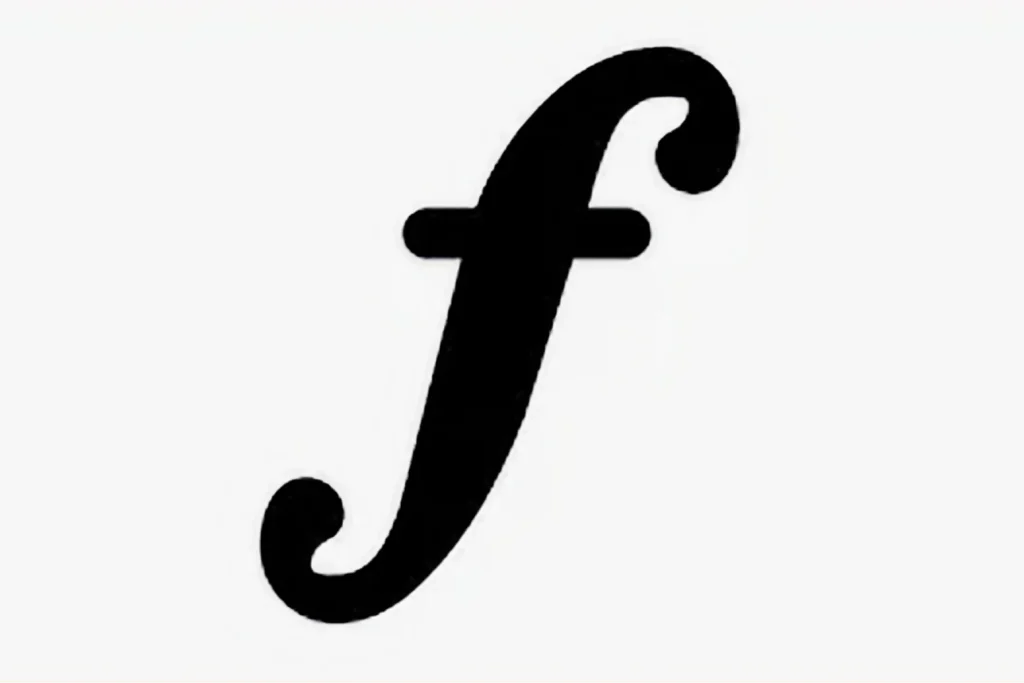
Forte is an Italian word, pronounced as FOR-tay, which means “loud” or “strong”. The forte definition in music can be summarised as a dynamic marking that tells musicians to play or sing a passage with increased volume and intensity. It is represented by the letter “f” and sits above or below the staff, commanding attention through its powerful implication.
But as a beginner, you need to understand that forte is not just about being loud. It is about controlling your power. For example, a great orator raises their voice, not to shout, but to focus, stir emotions, and make a point that cannot be ignored. In Western music, forte is the composer’s way of saying, “This moment matters. Give it your absolute best”.
Forte Meaning In Music Explained
Here are some concrete examples from both piano and Western vocal music:
On Piano
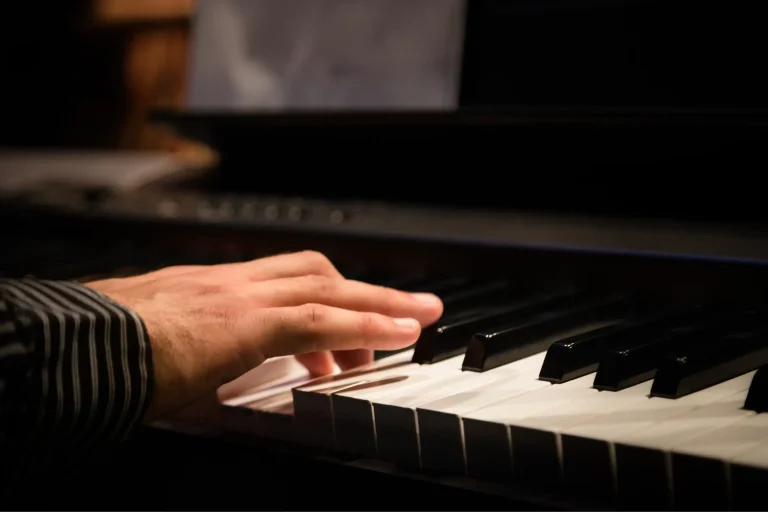
Suppose you are playing Chopin’s Nocturne or Beethoven’s Sonata, and you see a forte marking on it. At that time, you are not just pressing keys harder, you are using arm weight, finger strength and controlled release to create a sound that fills the room with harshness. For example, when you play Beethoven’s Fur Elise, the opening section is marked piano (soft). But as soon as the main theme comes with the iconic forte, it is one of the most powerful, warm and transformative you will ever hear.
In Western Vocals
Now imagine Adele’s “Someone Like You,” with the verses more intimate and almost whispered (piano). But as soon as that chorus hits, “Never mind, I’ll find someone like you”, you will be delivering those lines forte, with full chest voice, supported breath and emotional weight. It is not shouting; it is more like a supported, resonant and controlled loudness that’ll make the listener feel every word.
The Key Difference
When you speak loudly, it is just volume. A controlled forte is just volume with intention, technique, and musicality; that’s the difference between a shout and a proclamation.
How is Forte Indicated in Sheet Music?
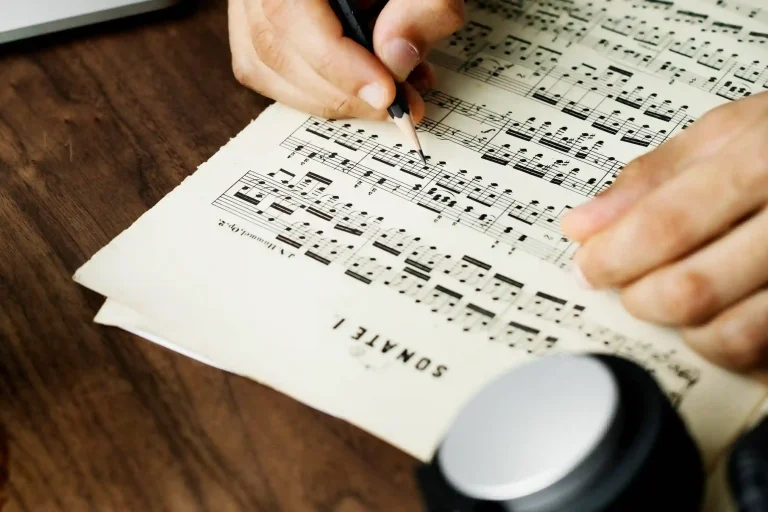
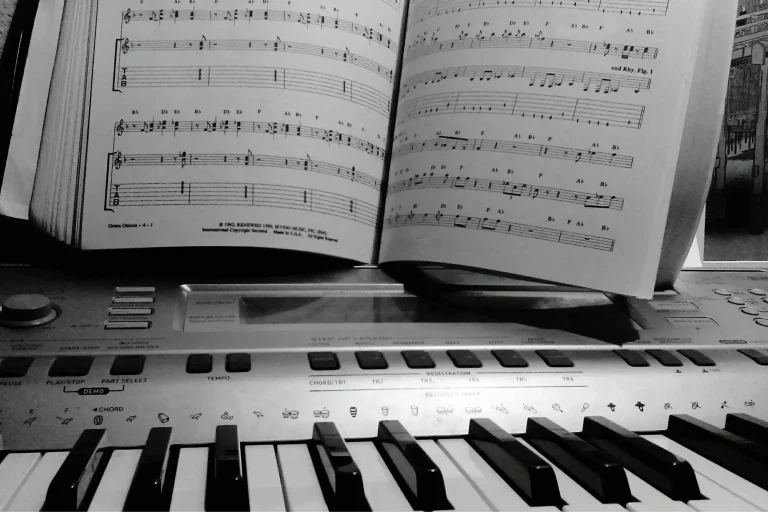
In Western music notation, forte is very simple: the letter f appears above or below the staff at the point where the composer wants the volume to increase. But there’s nuance:
- Single f: Forte (loud)
- ff: Fortissimo (very loud)
- fff: Fortississimo (extremely loud)
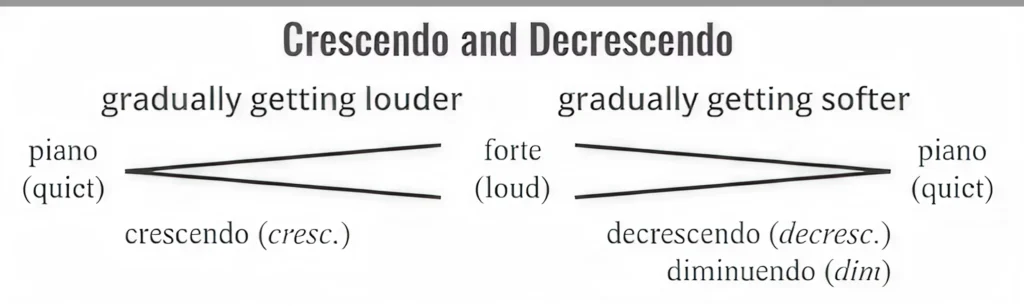
Here, a composer uses what’s called a crescendo & diminuendo (hairpin symbol) to slowly build toward or away from the forte, creating dynamic arcs that give the music its emotional shape. If you are a beginner in an online piano lessons or online Western vocal classes, being able to identify these symbols is step one. Step two is learning the physical technique to execute them without strain or harshness.
Forte Vs. Other Dynamic Markings
For those who want to understand the meaning of forte in music, it is important to see it in context first. Here’s how it fits into the dynamic spectrum:
| Dynamic Marking | Meaning | Symbol | Relative Volume |
| Pianissimo | Very soft | pp | 1 (softest) |
| PIano | oft | p | 2 |
| Mezzo-piano | Moderately soft | mp | 3 |
| Mezzo-forte | Moderately loud | mf | 4 |
| Forte | Loud | f | 5 |
| Fortissimo | Very loud | ff | 6 |
| Fortissisimo | Extremely loud | fff | 7 (loudest) |
Why does this matter?
Dynamics are not just volume levels; they are emotional colors. A piece that stays at one dynamic level feels flat. But when you master the journey from piano to forte and back, you are painting with sound.
Why Learning Dynamics Like Forte is Important?
So far, we have understood what forte means in music and how it is written in sheet music. But why does it matter so much in real playing and singing?
Forte is the secret ingredient that can turn a good performance into something truly alive and moving. For beginners, this may just feel like another symbol to mug up, which is not the case. So, it doesn’t matter if you are learning piano, Western vocals or other instruments; getting on top of forte and other dynamics is more than just getting louder; it is about learning to speak the emotional language of music.
Here’s why understanding and using Forte is so important for every serious learner.
- Expressive Playing & Singing
Dynamics make music more than just notes. Forte lets you tell a story, highlight climaxes and create contrast that keeps the listener engaged. - Musical Interpretation
In Western classical music, dynamics are the composer’s emotional roadmap. To define forte in music means you’re reading more than just notes; you are interpreting intent. - Technical Development
When you learn to play or sing forte, it improves your entire technique. It is a skill that helps you build support, finger strength and control. - Essential for Western Music Education
Whether you are pursuing online Western vocal classes or online piano lessons, dynamics are non-negotiable. They are part of the language of Western music.
Learning Forte through Online Music Classes
Now, all these may sound complicated, and often put a thought in a student’s head, “Is this difficult to learn? Can I really learn something particular as a forte through online music lessons?
The answer is a YES, when the instruction is live, expert and personalized.
In Online Western Vocal Classes
- Guided breath exercises teach you to support loud notes without strain
- Instant & real-time feedback ensures your forte is not just loud, but resonant and healthy
- Expert demonstrations show you the difference between shouting and controlled power.
In Online Piano Lessons
- Technique drills build finger and arm strength for forte passages
- Instant correction prevents bad habits that lead to harsh, unmusical loudness
- Progressive repertoire introduces forte in manageable, musical contexts.
The key is live, expert guidance. Pre-recorded videos can show you the symbol, but only a teacher can hear or see how you are executing it and guide you toward true musicality.
Learn Western Music with Artium Academy
For those who aspire to play notes and music that move people, understanding dynamics like forte should be on your priority list. When you join Artium Academy’s online music classes, you learn these concepts properly and can immediately apply them to your playing.
Our online piano lessons are curated by Grammy-nominated Louiz Banks, the Godfather of Indian Jazz, who brings decades of expertise in dynamics, expression and Western classical technique. Not just that, the courses in our online Western vocal classes are curated by legendary Sonu Nigam, who delivers powerful, controlled forte in ways that touch hearts. At Artium Academy, students learn:
- Dynamic control from early on
- Healthy technique for loud passages
- Musical interpretation that makes forte meaningful
- Live feedback from a world-class mentor
So, whether you are a beginner or looking to improve your expressive skills, our structured, personalised approach ensures you master forte and all the dynamics that bring music to life. Ready to make your playing powerful?
Book a free trial today and discover how we turn your musical potential into artistic reality.
FAQs on Forte Meaning in Music
Forte means “loud” or “strong” in Italian. It’s a dynamic marking (shown as f in sheet music) that tells you to play or sing with increased volume and intensity but with control, not just shouting.
There’s no specific “forte song” genre. It’s any song that uses forte dynamics (loud passages) to create emotion and impact. For example, Adele’s “Someone Like You” uses forte in the chorus to deliver powerful emotion.
In Beethoven’s Für Elise, when the main theme returns after the soft opening, it’s marked forte, creating a powerful, transformative moment. In vocals, belting out a chorus with full, supported voice is a singing forte.
No. Forte is about volume (how loud), not tempo (how fast or slow). For slowness, you’d see markings like “lento” or “adagio.” Forte just means “play/sing loudly.
Mezzo forte (mf) means “moderately loud.” It’s softer than forte but louder than mezzo-piano, sitting right in the middle of the dynamic range, like speaking firmly but not shouting.