Artium
Online Tanpura / Shruti Box
Explore our online Shruti Box / Tanpura! This virtual Free Shruti Box / Tanpura is ideal for practice, composition, and musical exploration, suitable for all skill levels.
Pa · C
First String
Pitch
More About Tanpura


What Are The Benefits of Using Artium’s Online Tanpura?

How To Use An Online Tanpura?

How Can You Enhance Your Singing Practice With Tanpura?
The Tanpura is essential in Carnatic and Hindustani music, providing a steady drone that supports pitch, intonation, and depth in raga practice.
For Carnatic music, tune the Tanpura to match your shruti and practice core ragas like ‘Mayamalavagowla’ and ‘Shankarabharanam’, refining your pitch accuracy.
In Hindustani music, it helps establish the scale and mood for ragas like ‘Yaman’ and ‘Bhairav’. At any skill level, the Tanpura provides a solid auditory foundation that enhances focus and intonation.

Shruti Box vs Tanpura: What Is the Difference?
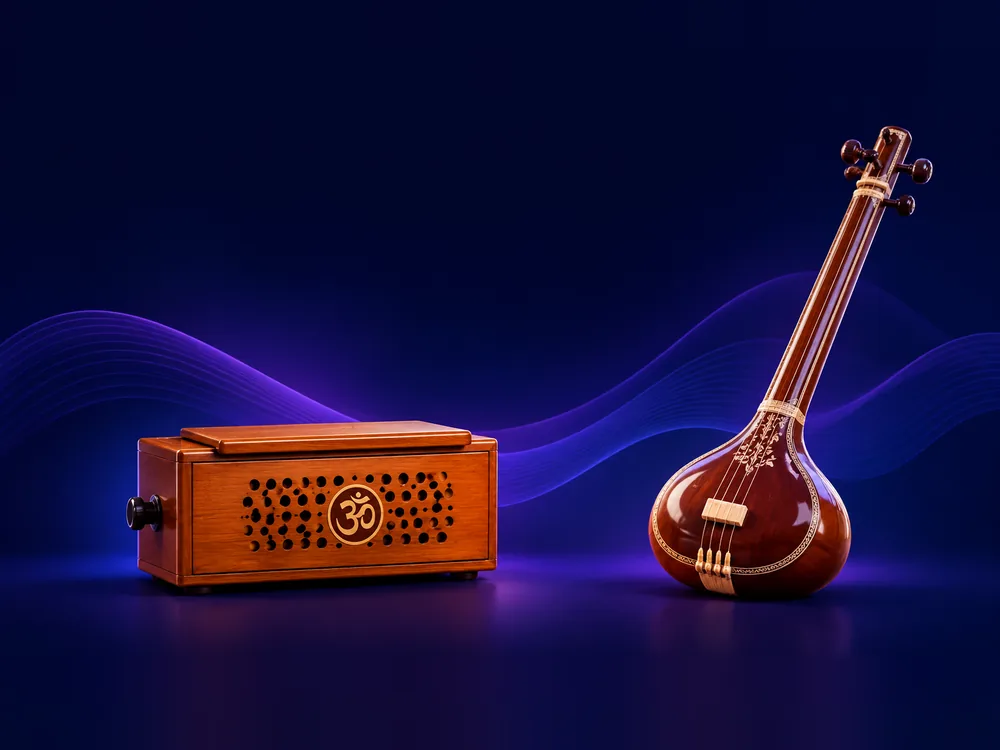
The two are different instruments that do the same job: both hold a steady drone on Sa so that a singer or player stays in pitch.
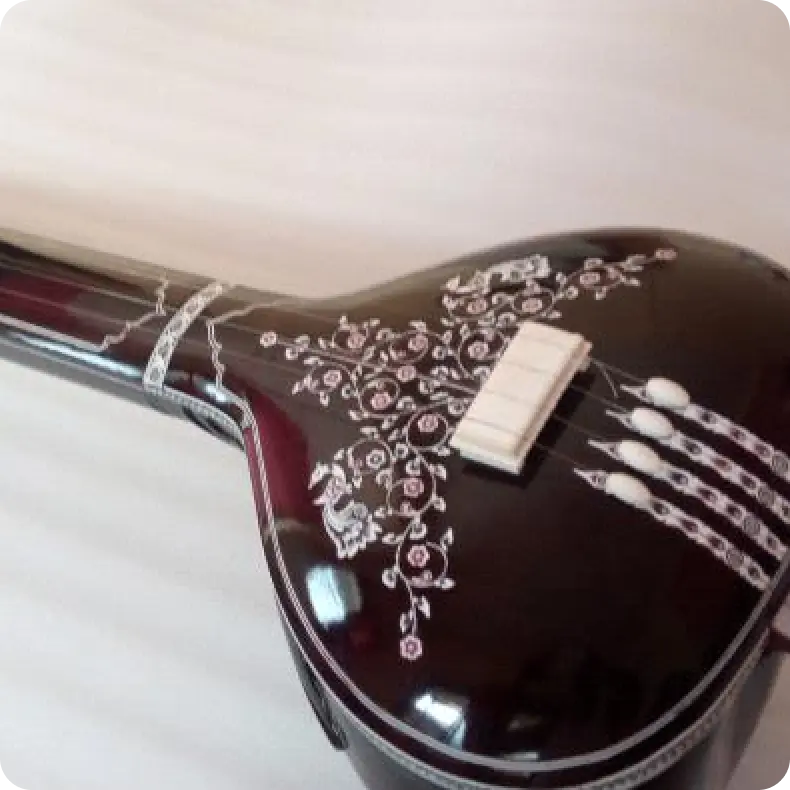
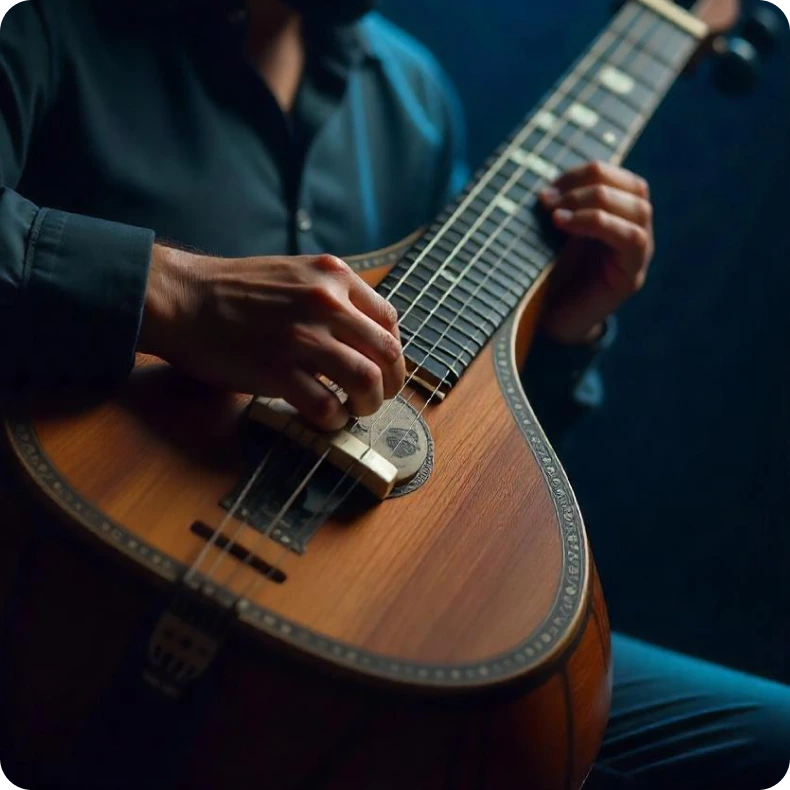
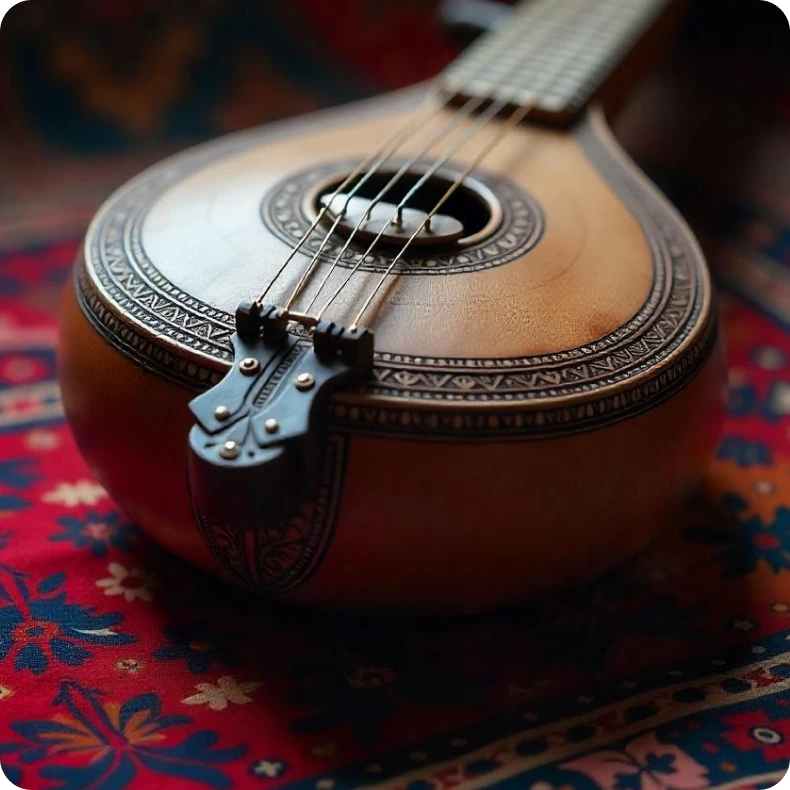
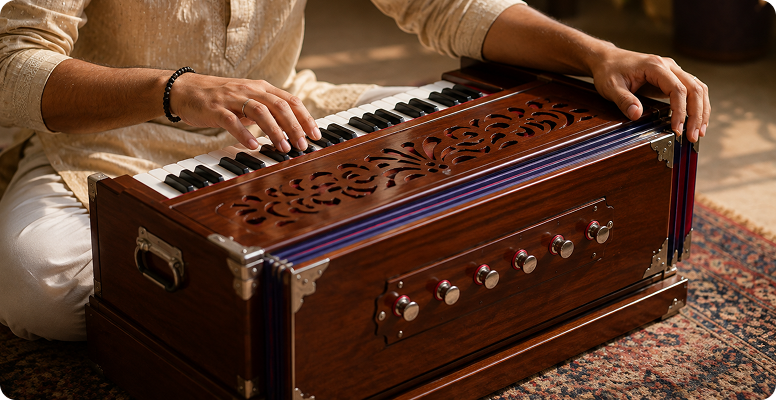
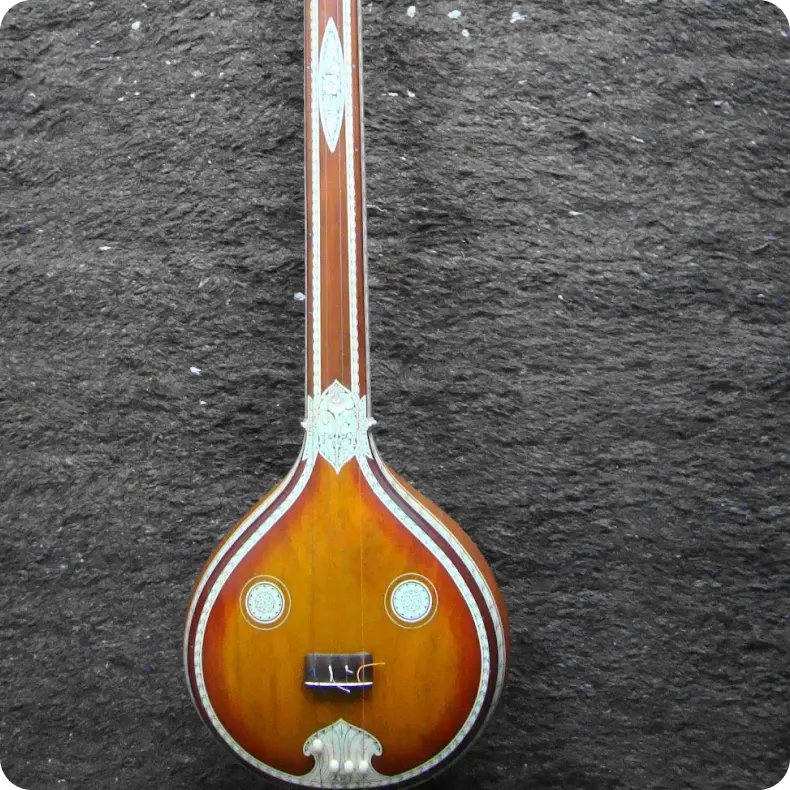
A tanpura is a long-necked string instrument, usually with four strings, plucked one after another in a slow, repeating cycle. A shruti box, also called a sruti box or shruti petti, is a small bellows instrument with reeds, close to a harmonium without keys, and gives a continuous, even tone.
Hindustani musicians have traditionally practised with the tanpura and Carnatic musicians with the shruti box, though both are heard in both traditions today. This online shruti box and tanpura gives you that drone in the browser, in any of the twelve pitches. To practise with it step by step, read how to use a shruti box for vocal practice.
Which Shruti Should You Choose: G, G Sharp or A?
Your shruti is the pitch of your Sa: the note you can hold comfortably and sing an octave above and a few notes below without strain. Choose it under Pitch on the tool.
- Women’s voices often sit between G and A sharp: G shruti (5 kattai), G sharp shruti (5.5 kattai), A shruti (6 kattai) or A sharp shruti (6.5 kattai).
- Men’s voices often sit between C and D sharp: C shruti (1 kattai), C sharp shruti (1.5 kattai), D shruti (2 kattai) or D sharp shruti (2.5 kattai).
- Children usually sing at a higher shruti, which settles as the voice matures.
These are starting points, not rules. Try the pitches on either side of your first choice, and ask your teacher to confirm your shruti. Under First String, keep Pa for most ragas, and choose Ma or Ni for ragas that leave out Pa.
More Tools on Artium
Book your First Free Class!
Piano, Film Music, Hindustani Classical, Tamil/Telugu, Carnatic, Guitar, Tabla
Book a Free Trial ClassLearn with a teacher:Online Hindustani Music ClassesOnline Carnatic Music Classes