





.png)
Dual Certification for Broader Recognition
Artium Academy awards an official certification while preparing you for globally recognised programs like Trinity, ABRSM, and RSL, ensuring your skills are acknowledged worldwide.
.png)
Performance-Driven Learning Approach
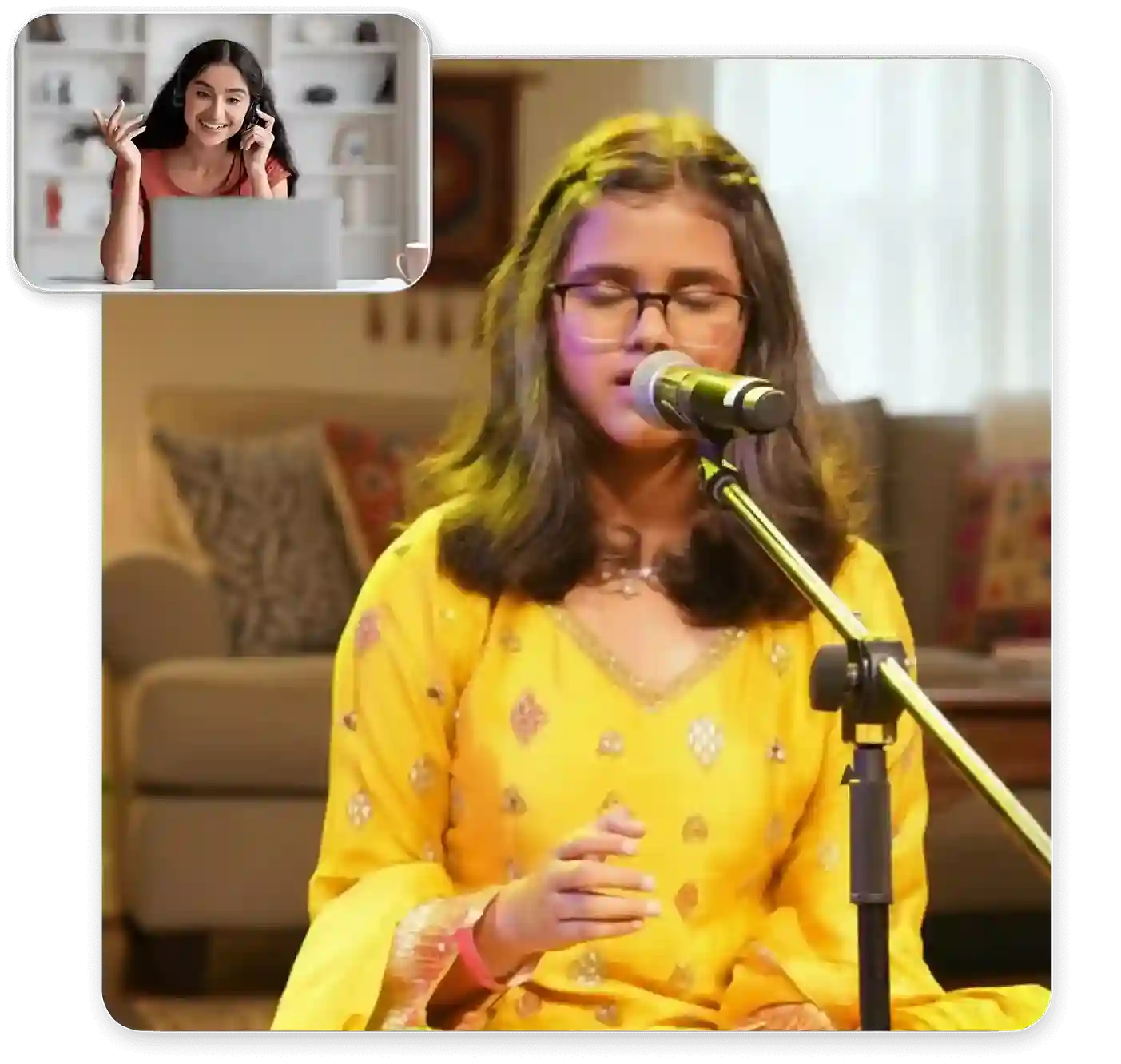
Our online Hindustani Music For Children are designed to make you performance-ready. You’ll get opportunities to perform in our weekly showcases and annual talent hunt show, Artium Superstar.
.png)
Structured Learning with Real Progress
Our Indian classical music classes for kids comprise regular assessments, exam-focused training, practise studio and a progress tracker. This will give you real-time progress updates, helping you stay motivated and on the path to music mastery.
OVERVIEW:
This level introduces learners to Hindustani music for kids in a simple, playful & structured way. Through online music classes for kids, they’ll explore the basics of Hindustani music. They’ll learn to identify & sing seven notes, practise simple alankars with aakaar & connect taal & rhythm to daily life. This level includes fun film songs and introductory swar geet to keep the sessions engaging. This level is ideal for parents seeking Hindustani classical music classes for kids in a safe, encouraging online format.
Price: ₹10800 (12 Classes)
LESSONS COVERED:
- Introduction to Swara
- Discussion on Naad and Alankar Basics
- Mastering Swar Precision: Alankaar and Aaroh-Avroh Practice
- Alankaar with Aakaar
- Exploring Varieties of Sargam
- Introduction to Rhythm & Relation of Taal to Daily Life
- Rhythmic Patterns and Swar Recognition with New Film Song
- Concept of Octave
- Range Extension
- Introduction to Swargeet
- Introduction to Raag
TOPICS:
- What is Sangeet?
- Definition of Swara
- Introduction to Seven Notes
- Definition of Aaroh-Avroh
- Definition of Naad
- Discussion on Naad and Alankar Basics
- Definition of Noise
- Introduction to New Alankaar
- SRGM PMGR SRGM PDNŚ Alankaar with Aakar
- Introducing Metronome Beats
- Introducing a Film Song from the repertoire list
- Types of Swara 1
- Significance of Shuddh and Vikrit Swara
- What is Rhythm?
- Definition of Octave
- What is Swar Geet?
- Definition of Raag
LEARNING OUTCOME:
By the end of this level, kids will easily identify and sing basic swaras in aaroh-avroh with better pitch awareness & control. They’ll understand important concepts like naad, swaara, rhythm, octave & more in an age-appropriate way. They’ll confidently sing simple aakaar, alankars and keep steady beats, which are the core fundamentals of Hindustani music. Learners finish this level ready to learn Hindustani classical music more deeply with enthusiasm.
OVERVIEW:
This level is designed for children who know the basics and are ready to explore Hindustani classical music more deeply. Through structured online Hindustani classical vocals for children, they are introduced to different raags using swar geet, lakshan geet, madhyalaya bandish and alapchari. They’ll learn core ideas like raag, thaat, sthayi-antara, teentaal and swar vistar, which form the backbone of Hindustani classical music. This level is ideal for parents looking for best online music classes for kids that balance theory, practice and real musical exploration.
Price: ₹22800 (24 Classes)
LESSONS COVERED:
- Introduction to Raag Durga
- Swargeet in Raag Durga
- Lakshan Geet in Raag Durga
- Madhyalaya Bandish in Raag Durga
- Swar Vistaar in Raag Durga
- Alaapchaari in Bandish
- Bol Banaav in Bandish
- Understanding of Aakaar Taan
- Introduction to Raag Bhoopali
- Lakshan Geet in Raag Bhoopali
- Bandish in Raag Bhoopali
- Swar Geet in Raag Bhoopali
- Swar Vistar in Raag Bhoopali
TOPICS:
- What is Raag?
- Concept of Thaat
- Key components of Raag Structure
- Bilawal Scale and Thaat
- Introduction to Raag Durga
- Introduction, Structure and Theka of Teentaal
- Concept of Sthayi and Antara
- Introduction to Lakshan Geet
- Madhya Lay Bandish in Raag Durga
- A Deep Dive into the Bandish: A Notational & Structure analysis
- Concept of Swar Vistar
- Concept of Alaapchaari
- Concept of Bol Banaav
- Concept of Taan
- Concept of Aakaar Taan
- Understanding of Raag Durga with Improvisations
- Evolution of Raag Durga in Commercial Music
- Details of Raag Bhoopali
- Refreshing Concepts with Reference to Raag Bhoopali
- Difference Between Nyasa and Thehraav
LEARNING OUTCOME:
At the end of this level, kids will be able to sing swar geet, lakshan geet and bandish in Raag Durga and Raag Bhoopali with sur accuracy and rhythm control. They’ll understand raag structure, thaat, tentaal, sthayi-antara and other concepts and apply them to their singing. They’ll gain confidence in presenting a full bandish and also learn how traditional Hindustani music evolves into commercial & film music, making learning more relatable. This foundation prepares them to gradually move towards more advanced repertoire and performances.
OVERVIEW:
This level is designed for students who are ready to deepen their understanding of Hindustani classical music through advanced ragas, improvisation, and performance techniques. In these online Hindustani music classes for kids, students strengthen their command over Bandish, Alaap, Bol Banaav, Swar Vistar, Taan, and Aakaar Taan while exploring ragas such as Bhoopali, Kaafi, Khamaj, Bhimpalasi, Bageshri, Des, and Yaman. With a structured curriculum, they build confidence in improvisation, develop a refined sense of rhythm and melody, and learn to present complete performances with musical expression. Guided by expert Hindustani music educators, students also gain exposure to notation, different song forms, and the practical applications of ragas, preparing them for advanced-level performance and continued musical growth.
Price: ₹99360 (96 Classes)
LESSONS COVERED:
- Alaapchaari in Bandish
- Bol Banaav in Bandish
- Assessment of Improvisation
- Taan in Raag Bhoopali
- Akaar Taan in Raag Bhoopali
- Holistic Understanding of Raag Bhoopali
- Total Performance of Raag Bhoopali Bandish
- Commercial Application of Raag Bhoopali
- Introduction to Raag Kaafi
- Swargeet in Raag Kaafi
- Lakshan Geet in Raag Kaafi
- Bandish in Raag Kaafi
- Details of the Bandish (Notation Analysis)
- Hori in Raag Kaafi
- Swar Vistar in Raag Kaafi
- Formative Assessment
- Alaapchaari in Bandish
- Bol Banaav in Bandish
- Assessment of Improvisation
- Taan in Raag Kaafi
TOPICS:
- Learning to Make 8 Matra Sargam Alaaps Starting from Sam in Sthayi and Antara
- Learning to Make 16 Matra Sargam Alaaps Starting from Khaali in Sthayi and Antara
- Learning to Make Bol in Sthai
- Learning to Make Bol in Antara
- Creating and Performing Sargam Alaaps and Bol
- Learning to Make 8 Matra Sargam Taan
- Refreshing Lakshan Geet
- Practicing Palta 1
- Practicing Palta 2
- Unveiling Bandish
- Decoding Notations of the Bandish
- Reviewing Aalapchari
- Concept of Bol Banaav
- Learning to Make Bol Banaav in Sthai
- Learning to Make Bol Banaav in Antara
- Setting Performance Format of Raag Kaafi Bandish
- Expanding the Chalan of Khamaj, with understanding of Thehraav
- Creating a Fixed Introductory Vistar
- Bandish in Teentaal
- Introduction to Raag Bhimpalasi
- Details of Raag Bhimpalasi
- Differentiation between Raag Kafi and Raag Bhimpalasi
- Revision of Alankaars of Raag Bhimpalasi
- Introduction to Lakshan Geet
- Demonstrating Nyasa Points and Pakad
- Introduction to Various Geet Prakar
- Introduction to Bol Taan
- Comprehensive Overview of Bhimpalasi
LEARNING OUTCOME:
By the end of this level, learners will demonstrate greater confidence and musical maturity in performing Hindustani classical music across multiple ragas and bandishes. They will develop advanced skills in Alaap, Swar Vistar, Bol Banaav, Sargam, Taan, and improvisation while strengthening their understanding of raag structure, notation, and rhythmic presentation. Learners will be able to present complete performances with expressive phrasing, accurate intonation, and confident stage presence. This level prepares students for advanced Hindustani classical vocal training, performance opportunities, and the exploration of more intricate ragas and improvisational techniques.
OVERVIEW:
This final level is designed for dedicated learners aspiring to achieve advanced proficiency in Hindustani classical music. Through intensive online Hindustani music classes for kids, students master the art of Vilambit Khayal, Madhyalaya Bandish, Alaap, Bol Banaav, Swar Vistar, Taan, and advanced improvisation across a diverse range of ragas including Yaman, Bhairav, Bihag, Kedar, Tilak Kamod, Jaunpuri, Malkauns, Hameer, Deshkar, and Kalingda. Learners also develop a deeper understanding of concert structure, classical music theory, voice production, stylistic nuances, and the commercial applications of ragas. Guided by expert Hindustani classical music educators, this level refines artistic expression, performance confidence, and musical maturity, preparing students for advanced-stage performances, higher-level examinations, and lifelong excellence in Hindustani classical vocal music.
Price: ₹135000 (120 Classes)
LESSONS COVERED:
- Introduction to Vilambit Khayal: Foundations of Ektaal in Raga Yaman
- Improvisation in Sthaayi – A Study in Vilambit Khayal in Raga Yaman
- Improvisation in Antara – A Study in Vilambit Khayal in Raga Yaman
- Rendering Taan in Vilambit Khayal
- Dynamics & Open Voice Singing with Decoding Maestros in Raag Yaman
- Crafting a Complete Vilambit Khayal Performance in Raag Yaman
- Designing Full Khayal (Vilambit + Madhyalaya) Performance in Raag Yaman
- Exploring Raag Yaman's Adaptation in Commercial Music
- Introduction & Swargeet of Raag Alhaiya Bilawal
- Madhyalaya Bandish in Teentaal
- Styles of Indian Classical Music
- Aalapchaari in Bandish
- Swar Vistar and Aalap Designing
- Taan Construction in Madhyalaya Bandish
- Characteristics of Sound
- Formative Assessment
- Concept of Janak and Janya Raag
- Understanding of Morning Riyaz & Decoding Maestros
- Raag Alhaiya Bilawal Performance & Concert Structure Preparation
- Introduction to Raag Bhairav
TOPICS:
- Introduction to Vilambit Khayal and Understanding Vilambit Ektaal
- Vilambit Khayal Composition in Ektaal in Yaman
- Understanding Improvisation in Bada Khayal Bandish Revision in Raga Yaman
- Understanding Improvisation in Bada Khayal
- Practicing Vistaar on Sthaayi
- Revising the Vilambit Composition in Raga Yaman
- Creating a Bridge Between Sthaayi and Antara
- Improvisation Techniques in the Antara
- Refreshing Antara Improvisation
- Understanding Taan Patterns
- Exploring Advanced Taan Types
- Creating Personalized Taan Patterns and Understanding Palta
- Breath Control, Timing, and Speed Development
- Dynamics and Open Voice Singing
- Listening & Decoding of Yaman Bada Khayal Compositions
- Introduction and Performance Outline
- Refreshing the Bandish with Improvisation
- Concept of Janak and Janya Raags
- Difference Between Bilawal Thaat and Bilawal Raag
- Morning Riyaz – Building Vocal Strength
- Introduction to Raag Bhairav’s Technical Structure
- Raagdaari Palta and Alankaar in Raag Bhairav
- Comparative Study of Raag Bhairav and Other Raagas
- Introduction to Madhyalaya Bandish in Raag Bhairav (Teentaal)
LEARNING OUTCOME:
Upon completion of this level, students will demonstrate advanced proficiency in Hindustani classical vocal music through confident and expressive performances across a wide range of ragas and Khayal forms. They will master Vilambit and Madhyalaya Khayal, advanced Alaap, Swar Vistar, Bol Banaav, Taan, and improvisation techniques while developing refined voice control, shruti accuracy, rhythmic precision, and concert presentation skills. Learners will also gain a deeper understanding of Hindustani music theory, raag architecture, taal systems, and the stylistic nuances of classical performance. This level prepares students for advanced stage performances, competitions, higher-level examinations, and continued professional musical development. As part of Artium's globally recognized music programme, students receive a completion certificate from Artium, serving as formal recognition of their structured training, progression, and curriculum completion, making it valuable for portfolios, school or college applications, and documenting musical milestones.
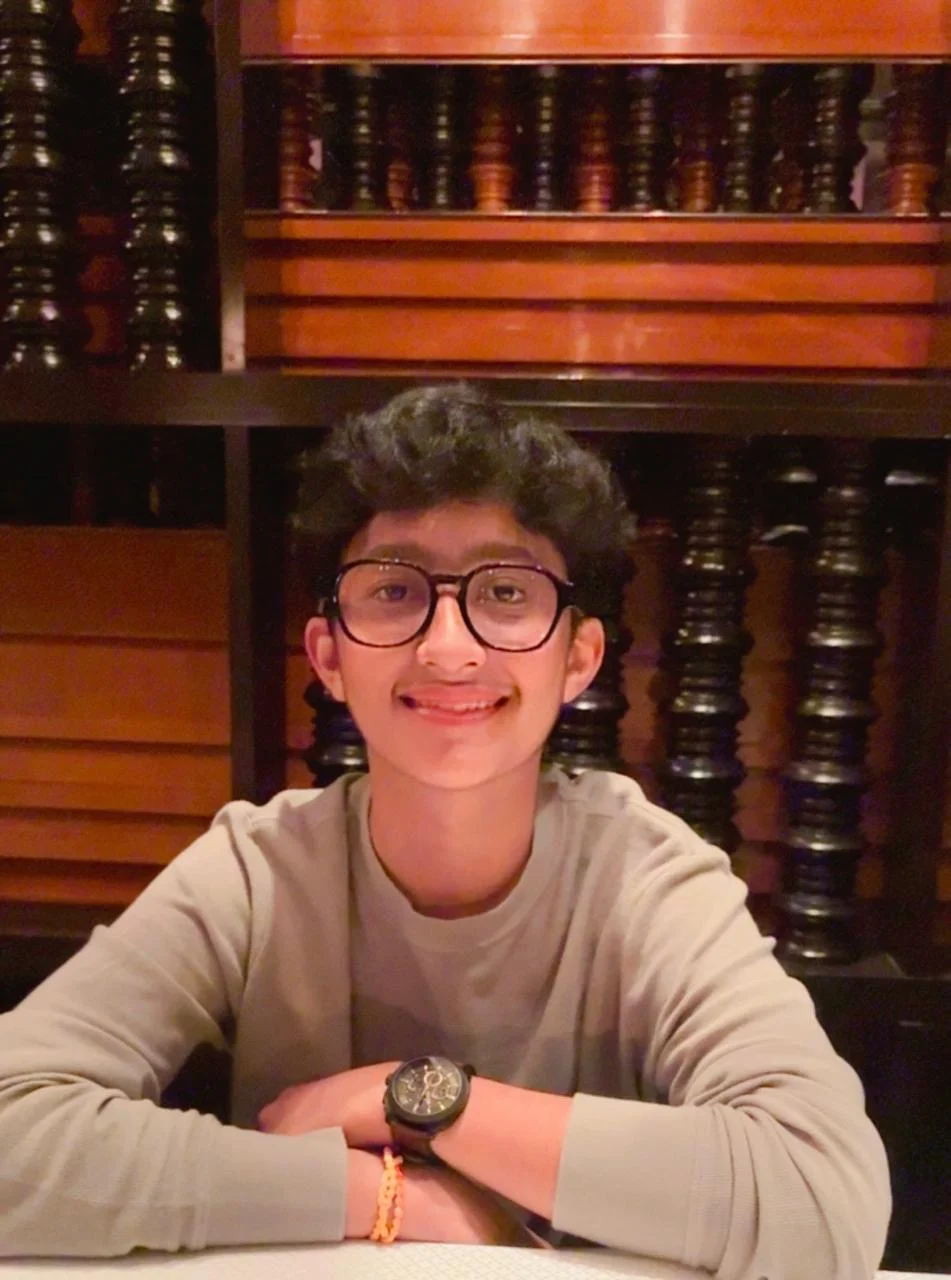
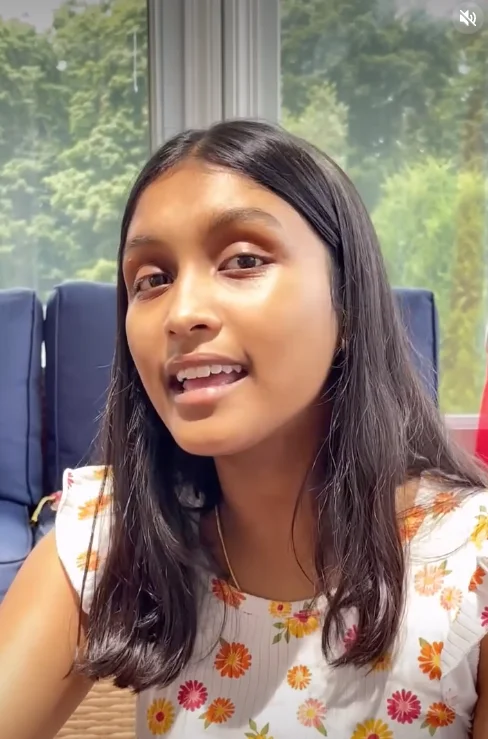
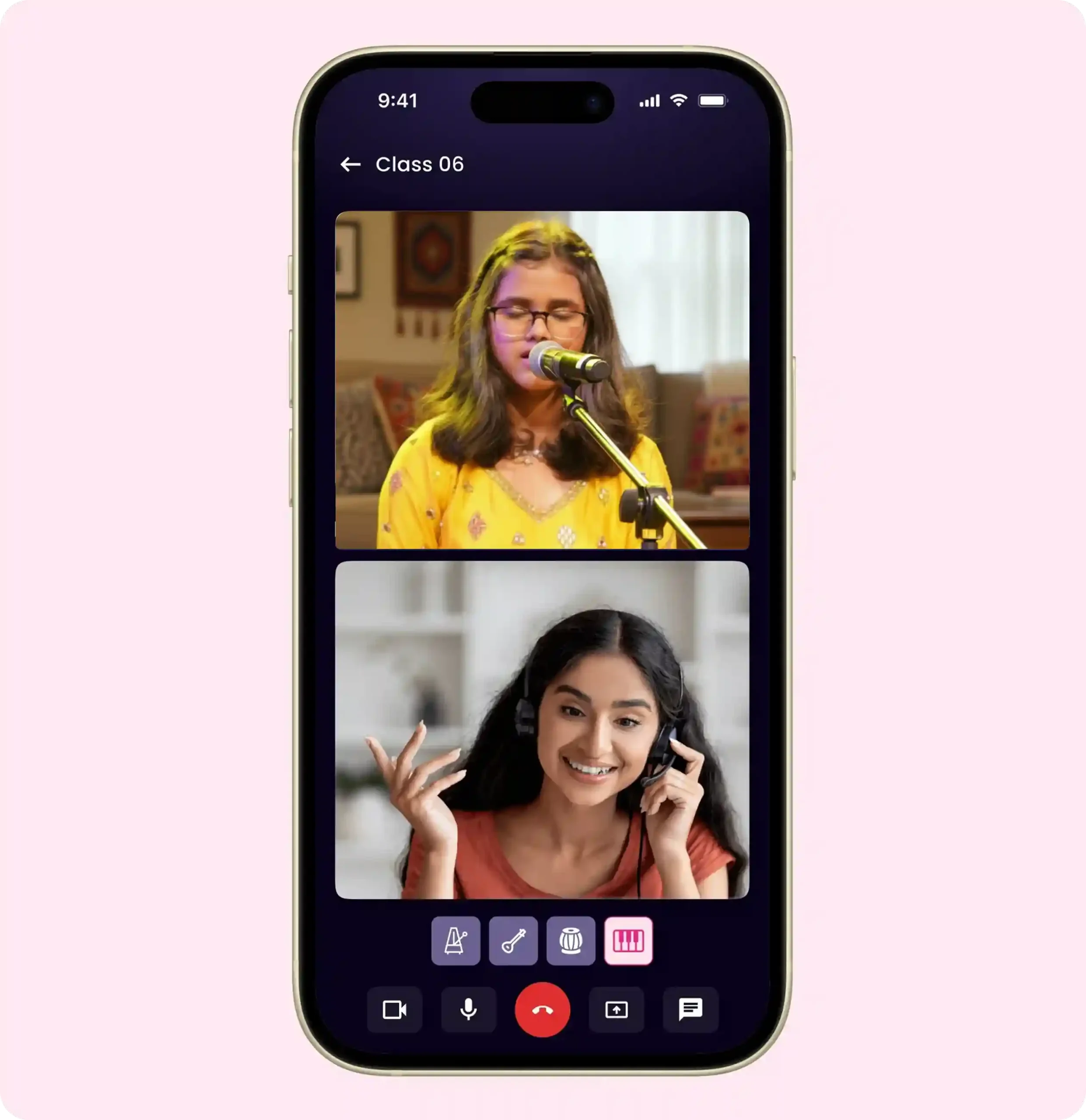
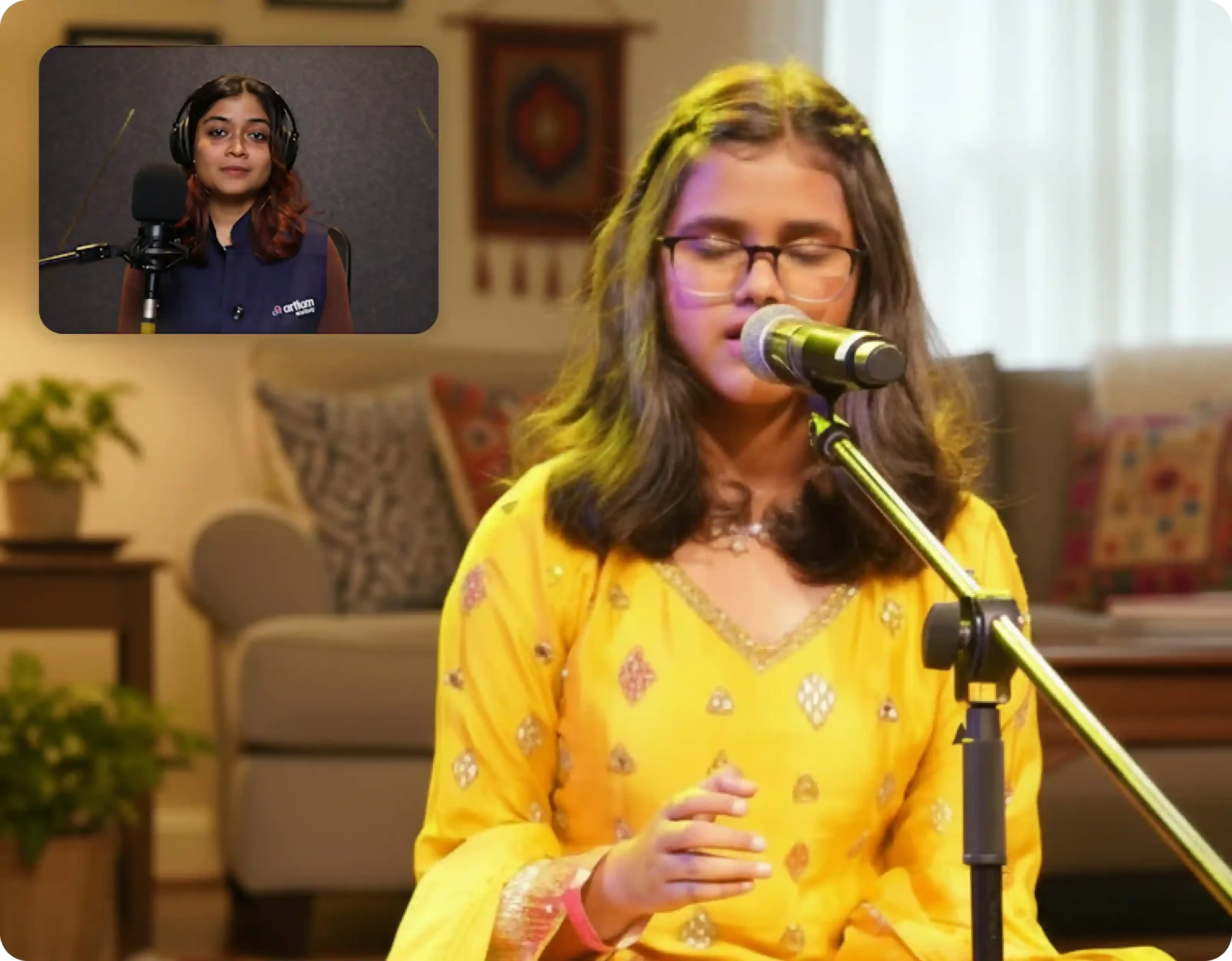
Captured moments between our young Hindustani Music learners & teachers, when practice transforms into pure musical magic.

Recognised by
Practicing scales and songs develops sharper focus, better working memory and improved listening skills. It helps kids concentrate and finish tasks efficiently.
Performing simple tunes boosts confidence and self-expression. Performing in recitals, showcases and group play helps kids overcome shyness and shine in new settings.
Coordinating both handsome reading notes and pedaling builds strong fine motor skills for writing, typing and sports, along with rhythmic fluency that lasts a lifetime.
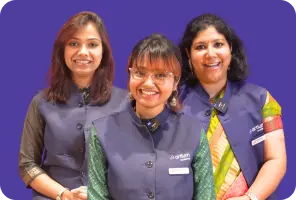
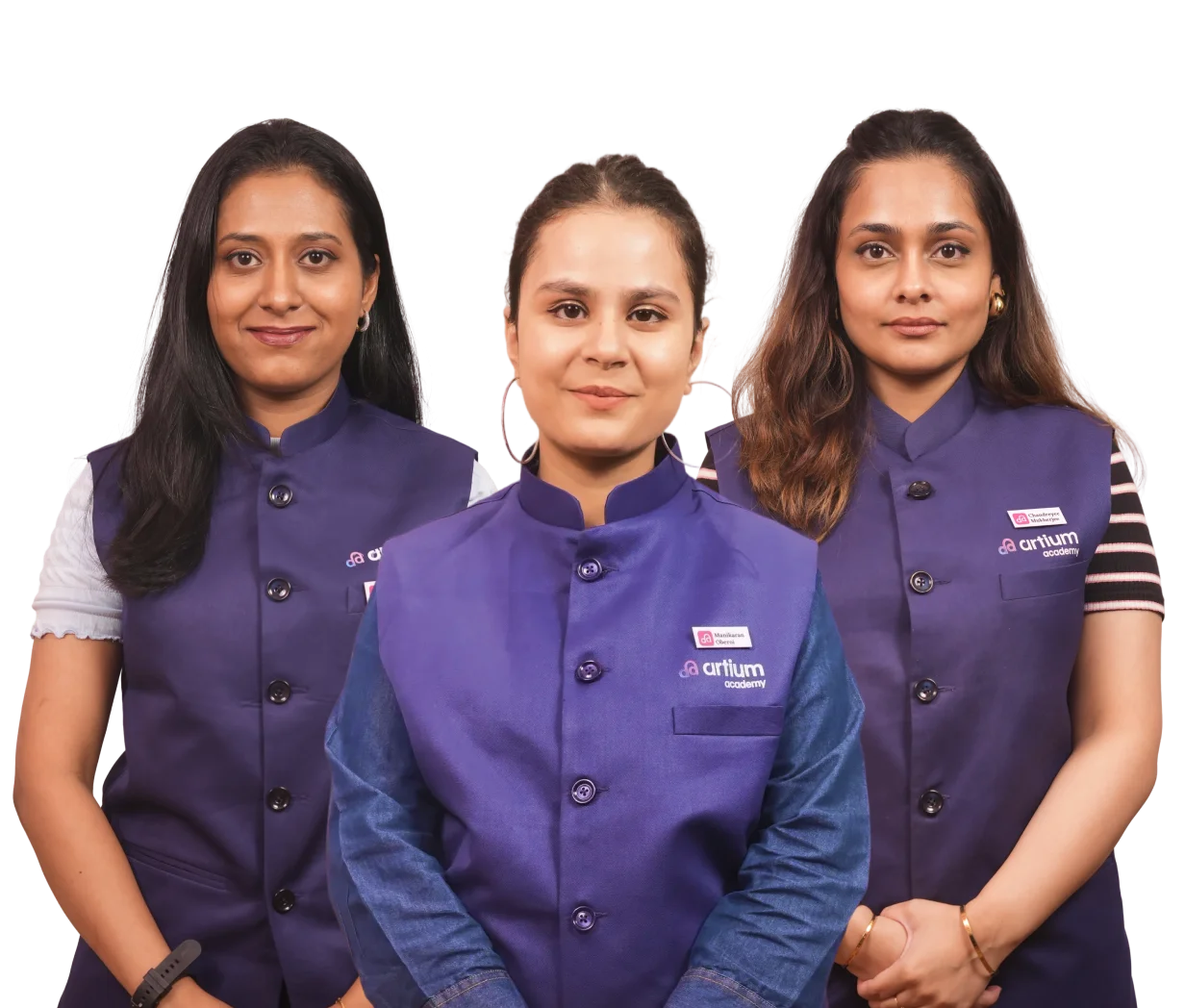
Great Hindustani music teachers make all the difference, that’s why we invest a lot of time into carefully selecting and training our teachers based on class observations and your feedback.




Explore our blogs to learn more about online Hindustani Vocals, music techniques, and creative ways to make learning fun for kids.
Teaching Hindustani classical music to kids requires patience, playfulness and a structured approach that respects how children learn. The best Hindustani vocal classes for kids begin with 7 basic swaras and simple alankar patterns introduced through call-and-response exercises rather than heavy theory. Short bhajans, swargeet and easy compositions make early sessions feel rewarding and relatable. In our online Hindustani music classes for kids, trained Hindustani Music Teachers follow a proven structured curriculum that balances riyaaz, ear training and fun, ensuring children absorb the basics of Hindustani music naturally and progressively, level by level.
Both Hindustani and Carnatic are forms of Indian classical music, but they have distinct traditions, styles and structures. Hindustani music developed in North India and uses ragas with greater emphasis on improvisation, alaap and taan, and is built around taals like teentaal, ektaal and jhaptaal. Carnatic music is rooted in South Indian tradition and is more composition-driven with kritis and swaras as its core. For children interested in learning Indian classical music, Hindustani music offers a deeply expressive, improvisation-rich path that builds strong voice control, tonal awareness and musical sensitivity over time.
The benefits of Hindustani vocal classes for kids go far beyond just learning to sing. Hindustani classical music for children trains the ear to recognize pitch and rhythm accurately, thereby improving listening and concentration across all areas of learning. Regular riyaaz builds discipline, patience and memory. Singing ragas and compositions develops a child’s ability to express emotion meaningfully, boosting confidence on stage and in everyday life. Also, children who study classical vocal music perform better academically due to greater focus and cognitive engagement. Starting online Hindustani classical vocals for kids early gives children a creative, structured outlet that shapes their character, not just their voice.
Private Indian classical music classes for kids give every child the one-on-one attention that group classes don’t offer. Our online Hindustani music classes for kids are designed by experts, where every session is tailored to your child’s age, pace and comfort level. Shy learners get a safe, encouraging space, while faster learners are introduced to new swaras, ragas and taal patterns without waiting for a group to catch up. This approach builds the basics of Hindustani music correctly from the start, sur, taal, voice culture and listening, so children develop genuine skill, confidence and a lifelong love for Indian classical music.
As a parent, you are the most powerful force behind your child’s progress in online Hindustani music classes for kids. Small steps make a big difference: set a consistent practice time each day, ensure your child attends their Hindustani vocal classes without gaps and listen to Hindustani music together at home to sharpen their ears. Gently reminding them to complete the riyaaz homework and monitoring their progress on the practice dashboard reinforces the habit. Most importantly, celebrate small wins: a sur sung correctly, a taal kept steady, so your child stays motivated to learn Hindustani classical music with joy.
Our preparatory level is the perfect first step for children learning Hindustani classical music. Kids are introduced to the seven basic swaras, naad and alankar basics in a structured, age-appropriate way. They learn about the concept of the octave, simple rhythm and the role of taal and get their first experience of swargeet and introductory raag recognition. They’ll also be introduced to vocal culture and basic breathing techniques to help them develop their young voices properly. This level in our Hindustani classical vocal classes helps kids transition smoothly and confidently into the intermediate level.
Our expert teachers are trained to make Hindustani music engaging rather than intimidating for kids. In our one-on-one online Hindustani classical vocals for kids, teachers use call-and-response sargam games, clapping exercises for taal and simple bhajans or swargeet that children can enjoy. Complex concepts are broken into short, singable parts with storytelling. Every session in these online Hindustani music classes for kids is designed around your kid; the teacher can switch activities to maintain focus and energy, making learning feel like play while building real classical skills.
The best age to start online Hindustani classical vocals for children is 5-7 years, once they can follow instructions and maintain attention for short periods. At this age, the lessons focus on basic swaras, simple rhythm patterns and playful listening activities that train the ear naturally. Younger children may start with shorter, more game-based sessions, while older children can handle more structured swargeet and basic raag introduction. The sooner the child starts Hindustani vocal classes, the more time they have to absorb the basics of Hindustani music and develop a strong, confident voice.
Yes. 10-years is an excellent age to begin Indian classical music classes for kids. At this age, they have better focus, clearer voices and a greater ability to absorb structured learning. In our online Hindustani music classes for kids, a 10-year-old can learn swaras, alankar patterns, simple raag structures and basic taal with confidence. With 1:1 guidance and consistent practice, a 10-year-old can progress quickly through each level and grow into a strong classical vocalist over a few years.
Yes. Our Hindustani classical vocal classes include both practical and theoretical assessments at the end of each level. Practical evaluations test your kid’s ability to sing compositions, demonstrate swar accuracy and maintain taal, while theory components cover raag identification, swara knowledge and basic rhythm understanding at the right level. These assessments prepare learners for certifications, and every level your child completes comes with a course certificate, adding value to their Hindustani music learning journey.
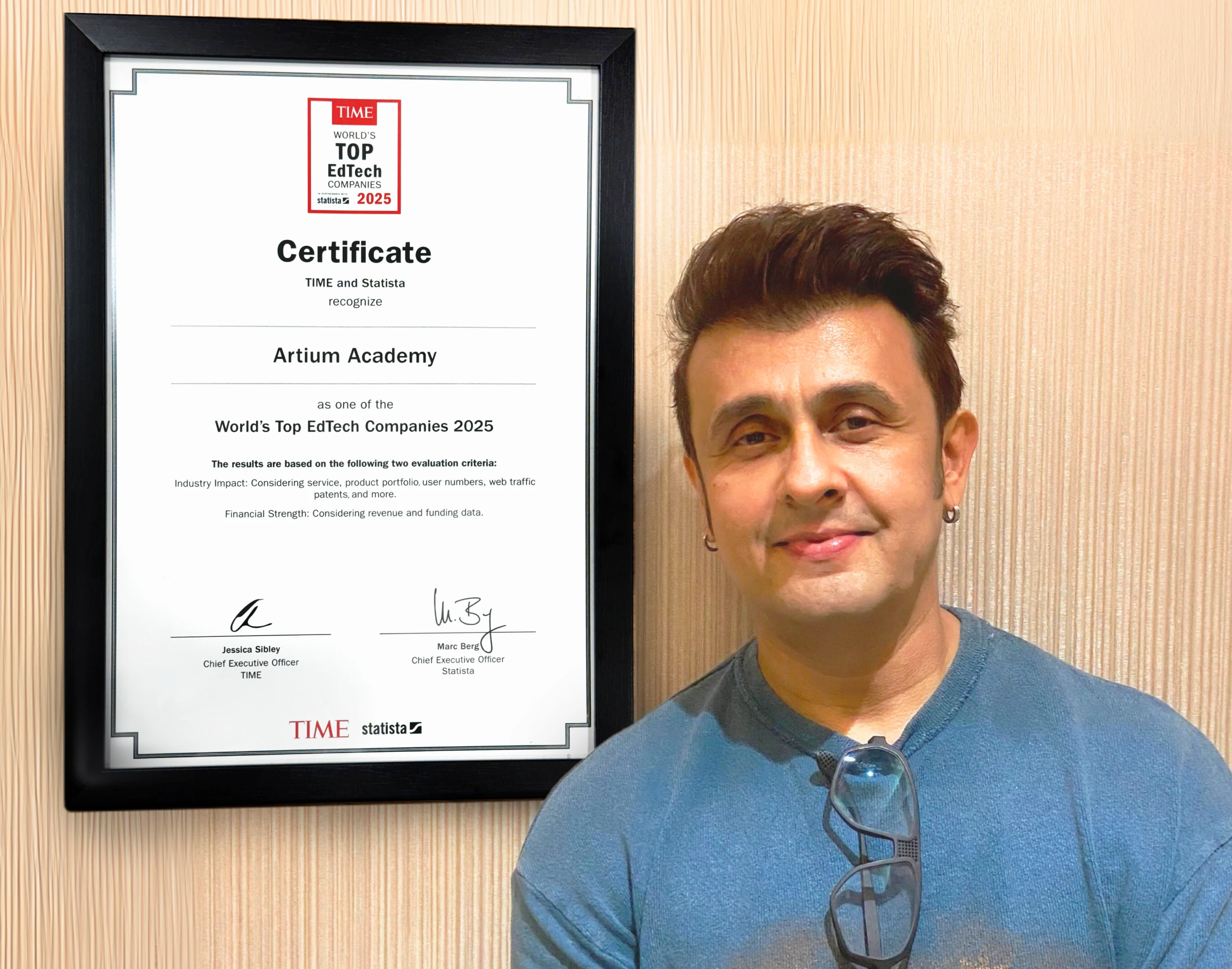
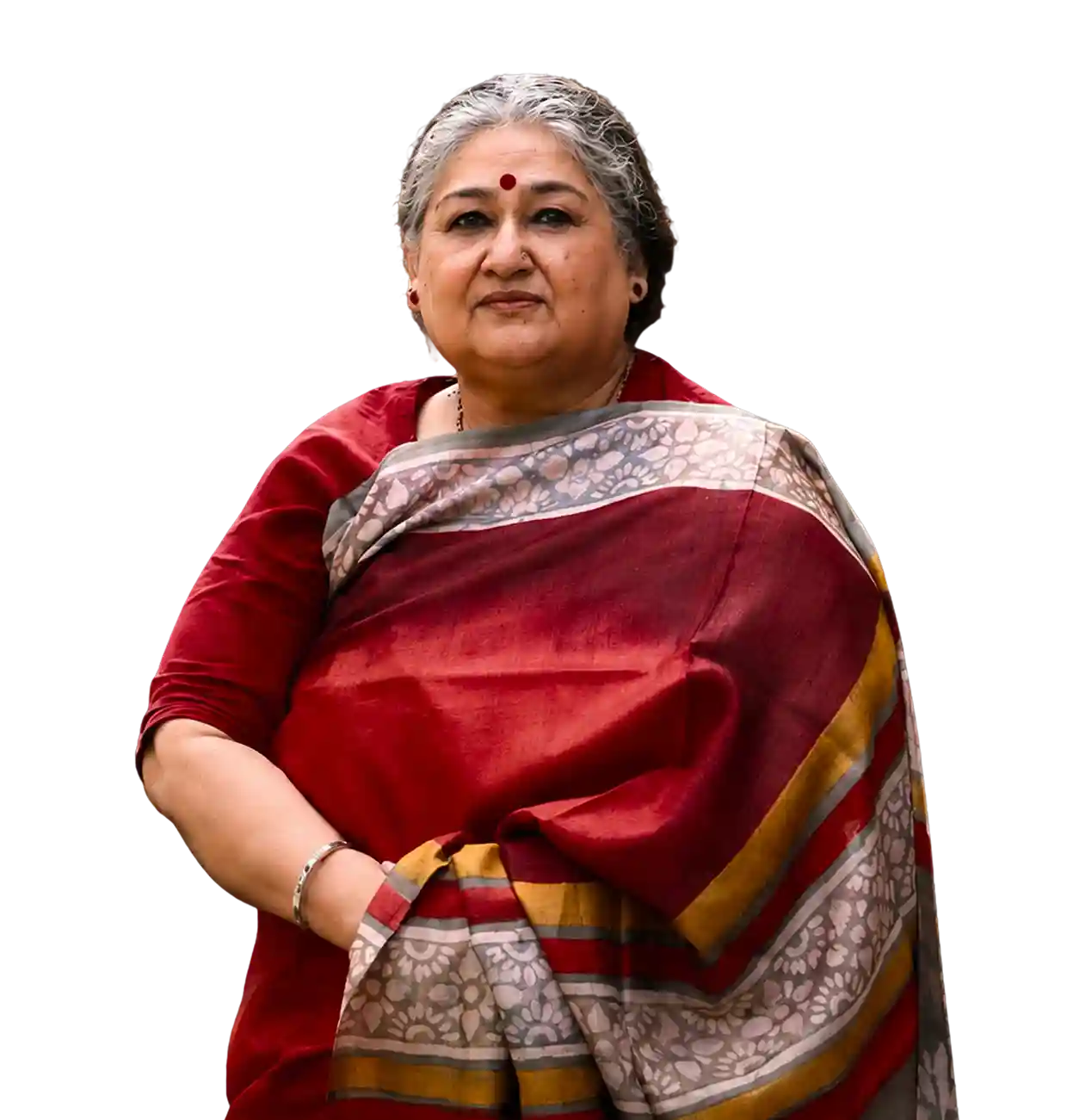
For those of you searching for the best classical music school in India and the best online music classes for kids, here’s why Artium is the best choice. Our Hindustani classical music course is curated by legendary Shubha Mudgal, ensuring the curriculum reflects authentic, world-class pedagogy. Artium Academy is India’s first and only platform to offer globally recognized certifications in Indian classical music, including Hindustani classical music. With over 43000+ students worldwide, tailored 1:1 live classes, flexible scheduling and a structured curriculum that takes kids from beginner to advanced, we consistently deliver what parents want: real skill, real progress and a trusted music academy.
For most learners in online Hindustani music classes for kids, 15-30 mins of focused daily riyaaz is far more effective than long, irregular sessions. Younger students can start with 10-15 mins and gradually increase as they grow. Consistent daily practice is what truly builds sur accuracy, rhythm and voice control in Hindustani classical music for children, and parents can support this simply by maintaining a fixed “music time” each day.